Showing posts with label Its All Pipes. Show all posts

Sunday, March 29, 2009

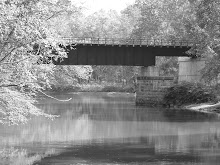
Bridge Fencing And Berea Sandstone

The first round of federal stimulus dollars for local infrastructure projects have been announced and the complaints about government waste are already materializing. One of those projects, The Akron Y Bridge rehabilitation, includes installation of safety fencing along the bridge. The decision to fence the bridge has been batted around since several citizens have decided to jump to their deaths from the span. The cost has always been prohibitive until now.


Needed as it may be may be there is an undertone of criticism swirling around the inclusion of the fencing within the bridge project. Tim over at the Chief Source has some misgivings about the waste aspect of spending money on the fence. I Think he's mad about the diminution of the view. Grumpy Abe points out that the ABJ headline on the project implies there is a groundswell of dissatisfaction over the fence even though none really exists. To not be outdone I found a story on Topix from the International Herald Tribune that refers to federal stimulus dollars being spent on "anti-suicide fencing" to keep people from jumping to their deaths.

I can already see where these complaints are going. The Tea Party crowd will get a hold of these project names and individual components and turn them into anti-government invectives. All of this misses the point of the federal program. The dollars are being dedicated to local projects and those projects are being designed and planned by local governments. The overarching goals being to invest in infrastructure and employ people. This isn't a contest to see who can create the most spartan bridge deck.

The current federal funding program for roads and bridges is very similar to the Depression era programs of the 1930's that also had this dual purpose. The evidence of those historical initiatives can be seen all over the Cuyahoga Valley in the form of sandstone blocks that ring the parking lots and mark the park roads. All of these blocks were harvested from the local quarries as part of a program to improve the amenities of the park and keep your grandfather employed. Consider this passage describing a popular location in the Cuyahoga Valley National Park that benefited from the Depression era jobs program:
The Civilian Conservation Corps (CCC) accomplished much of the early work of transforming the private retreat into a public park. Structures in the park built by the CCC in the 1930s include Kendall Lake itself, completed in 1935 and built primarily for swimming, toboggan chutes in 1936 (later removed by the National Park Service), the Lake Shelter in 1937, originally used as a swimmers bathhouse and concession, and the unique chestnut wood privies.
That description was from the Trail Guide Cuyahoga Valley National Park, 3rd Edition. A critic of Roosevelt CCC's work could have been inclined to doubt the need for fancy wood outhouses and a swimming lake. Sure, the country was facing economic collapse and the government was paying men to build recreational digs out out of expensive materials.

The point back then was the same as it is with today's stimulus program spending. The country is facing a great economic decline, one that is chiefly demand driven. The point of infrastructure spending in 2009 is to employee people, drive up demand and get the national economy back on its feet. Not much different than in the 1930's.

Bridge fencing as part of an overall project to rehab an elevated roadway is not a far cry from those sandstone blocks that ring the parking lots or adorn the shelters in the CVNP. Why quarry large chunks of sandstone only to bury them halfway in the ground near park roadways? Why install unsightly fencing along the entire length of Akron's most notable bridge? The answer for both questions is the same. These projects were sanctioned to employ Ohioans and improve our infrastructure in the process. Whether it be park roads or city thoroughfares.

Some critics will be hanging on the the name and intent of every infrastructure project that gets tapped for stimulus funding. In the case of the Y Bridge the image of government waste will be intimated because the $1.5 million spent on the fencing will be puffed up to hyperbolic levels by every libertarian or anti-taxer in throwing distance.

I'd argue that the view was not the driving force (get it) behind the funding of the Y Bridge project. The City of Akron had a duel need of investing in infrastructure and uplifting the economic well being of the region. Directing the federal dollars towards a comprehensive design for revamping the bridge happens to include the maligned "suicide fencing" among other improvements.

You can argue that the views from the Y Bridge will be diminished once the fences go up, but don't tell me that it's a waste of money. Losing the unobstructed view from the bridge is a small price for building a safe and structurally sound piece of Akron's infrastructure. If you want to take in a vista of the surrounding terrain I would suggest the outlook trail at Kendall Ledges. While you're in the area stop by Kendall Lake and check out the Berea sandstone road markers and the stone lodge that sits alongside that lake.

Friday, March 27, 2009

Summit Stimulus, Color and Shape

As the requests for stimulus dollars stack up the State of Ohio is already announcing some of the first project awards. More on that Akron Y Bridge Fencing later.

I wanted to take a basic high level look at the requests originating from the localities in Summit County. I think the color and shape of what locals are asking for points to the dire need for infrastructure revitalization. So I grabbed the latest download from the State and set off to flesh out some of the major trends.

The data is available as an excel file, still no true mash-up from the State or any other entity.

Presently there are $1.33 billion in requests from local governments in Summit County. This number does not include the Akron Public Schools, the University of Akron or non profits. The real meat and potatoes so far has been infrastructure projects. As can be seen from this handy pie chart I conjured from the Recovery.Ohio data.

A full two thirds of the requests are for good old fashioned roads, bridges, water, sewer and other main line infrastructure. What does this mean? Probably that there is great need to rebuild the decaying mess that we have depended on to support civilized society. If the Romans had functioning sewers shouldn't we?

I also wanted to see what some specific locals have requested. The next table is a brief look at some select areas of Summit County have asked for in federal stimulus dollars.

Local Government$'s Requested$'s Per Capita
Summit County1,333,056,2202,453
Akron679,664,3463,089
Cuyahoga Falls139,257,1322,785
Green51,100,0312,222
Stow11,960,312374

The requests for Summit County include the County government and all other local governments. Akron takes up more than half of all requests in the county. Akron's requests include some behemoths like the central interchange improvement project that could top $50 million. Adding the APS requests to Akron would push that per capita number up.

The per capita numbers were based on the 2007 Census Bureau population estimates. I'd say political leanings do not make a discernible difference when it comes to requesting ARRA dollars. If your name is Don you'll take the money.

If I have the time I'll try to do some more slicing and dicing of the actual approved dollars as they roll in.

Monday, October 13, 2008

Akron Sewer Lease, Vote Maybe

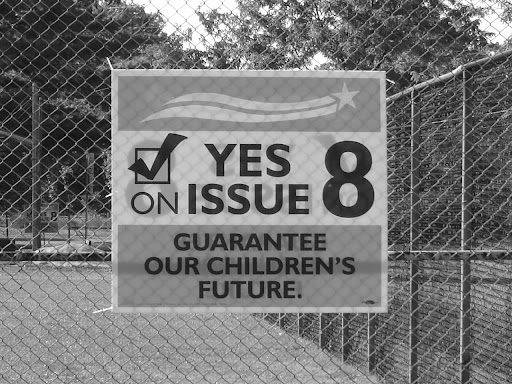
Signs for Issue 8 are appearing all over Akron pleading the passerby to consider the future of our children. The City of Akron's plan to create a scholarship program funded with proceeds from a public infrastructure lease has merit but questions remain on the funding scheme. Will we citizens inherit a plan with sound funding or one that smells like the composting plant in the valley?
Creating a fund for scholarships for Akron residents is an idea that has could be a boon for the city's future. Establishing a realistic baseline for the anticipated sources of funds hasn't been made very clear as of yet. I would feel more confident about the legitimacy of the plan in it's entirety, not just the uses side, if more information on the financing can be revealed. So far the Mayor has painted in broad brush strokes when it comes to the financial structure of the lease plan. I think a finer level of detail other than the current "sewers are worth some money" sloganeering is needed here. I checked the Akron Scholarship Plan website for more information on the mechanics of the funding and what lease would entail. After a read through of the proposed charter amendment I had more questions. Some things that I would like to find out before casting a vote on Issue 8:

What is the Akron Community Fund? I know what it is being portrayed as in the charter language. It's an organization that the Finance Director will contract out the management of the Scholarship Program/Lease Revenue. Will this group actually manage City funds? Isn't the City legally bound to issue a request for bids for this type of service? The fact that the City is using an outside group to manage the program and the fund raises questions on the administrative costs associated with the plan. Will teh contract be for a fixed rate with a not to exceed amount? It should be. Remember less savings equals less scholarship money.

The City will transfer all net proceeds from the lease agreement to Akron Community Fund. Will the lease payment be received up front? Normally lease payments are made annually. Is the City opting to take the net present value of all of the lease payments up front? What rate of return is being considered?

The net proceeds are transferred after all outstanding debt (bonds, notes, loans) is paid off. What is the amount of those obligations? That will lower the net proceeds available for the program. I am guessing the City doesn't have much in the way of outstanding sewer bonds since they raised rates to pay for the CSO projects like Rack 40. Like other sewer systems they probably have some EPA loans and OWDA loans to pay off. That amount of debt is an important piece of the puzzle.

Speaking of capital improvements, I'm still not clear on how these are handled. There is language stating that the lessee must comply with laws and regulations set by the EPA and standards set by the Director of Public Service. There is also language stating that improvements must be approved separately by the City? So who pays for the improvements? Wouldn't the hefty price tag on improving CSO problems scare investors away? The temptation to cut operating costs by shirking environmental laws has to be a plausible risk in leasing to a private operator. What type of oversight will the City maintain over the lessee?

What happens if the city inks a deal that generates a substantially lower amount than the planned $200 million that is being indicated? What is the city fails to attract an interested party because the terms are not favorable to a prospective lessee? What if the trouble in the capital markets scares everyone away? The charter amendment caps rate increases at 3.9% per year based on the current rate adjustment plan in place. The lease deals I've read about have allowed the lessee to raise user fees as they see fit to make the investment worthwhile.

And lastly, will the new operator be willing to do something about the smell out at the City composting facility? Just thought I'd ask.

Powered by ScribeFire.

Sunday, October 05, 2008

Sewer Plan Oblivious to Market Woes

The City of Akron is moving ahead with the Sewer Lease for Scholarships plan despite the uncertain conditions in the financial markets for municipal debt. I'm sure the mayor would counter that this is a lease transaction but it will take place in the same arena that municipal debt and financial intermediaries do business. From what I've heard there is a bit of a credit crunch in this once thriving playground.

As has been the case from the beginning the Plusquellic administration has chosen to focus on the novel concept on how to use the $200 million that will theoretically flow from a lease transaction. I for one could draw up a great deck of power point slides that could layout my plans for spending $200 million. That wouldn't change the fact that I don't have it now and have much less chance of getting it that the financial markets are in a bad mood.

The Mayor will be submitting an ordinance to council Monday to lay out the requirements for the scholarship program. The story in the ABJ cites a press release that is not on the City's website yet that breaks out the main requirements of the program. The stated parameters call for the first scholarships to be allocated by fall of 2009. I understand that a measure will be on the ballot this November and time is a wasting but not enough attention has been paid (at least in public) to how a lease will raise the stated amount of funding.

There are already three factors that either potentially lower the net savings (money that will be gained from a lease) of the transaction or make it less likely to occur. Two go together and are already in the works. Council took up an ordinance that will transfer the employees of the Sewer Division to other City divisions. The dollars needed to pay those personnel costs will lower the net savings generated from the lease agreement. The City in choosing to forgo that potential savings will decrease the net savings of the deal. The second component is the rigid conditions the City will have to demand from the potential lessee in order to make the deal politically palatable. These include rate caps on user charges and continuing the capital costs associated with the CSO requirements for the system. These too will decrease desirability and net savings. Less savings less scholarship dollars.

The third sticking point is just that. The credit markets are stuck here in the U.S. and in Europe. Sure we enacted a bailout plan but that has yet to take effect. The financial system is still not moving at normal pace. Even if it were, the condition of the credit markets overseas is even more pertinent. There are numerous reports that the European strain of what ails American markets has that system in a bind also. You see, chances are the company that City leases to will be based in Europe. They will be required to pony up a large one time payment which they will have to borrow from a financial institution. If they normally borrow from a line of credit originating in the troubled Eurozone banking system then their ability to do so will be lessened. The problem has been and still is the sources of funds.

Council is meeting tomorrow to discuss the plan. Maybe some members will bring these points up. I'm still waiting for the City to release some basic numbers on how this thing will work on the financing side.

Powered by ScribeFire.

Monday, September 22, 2008

Wall St. Turd Could Sink Akron Sewer Plan

I really appreciate Michael Douglas' enthusiasm in yesterday's editorial on the bright prospects of the Akron Sewer system lease plan. Douglas whom doubles as the ABJ's editorial page editor when he's not extolling the virtues of the greater NEO region's economy thinks the time is right for leasing the City sewer system. Never mind that the financial markets are facing turmoil not seen in generations and credit is drying up faster than the Aral Sea. The Douglas piece actually points to the failing capital markets as a sweetener to completing a lease deal:
If anything, the arrangement is just the kind of pedestrian deal that investors could use, no credit default swaps, no derivatives, no financial instruments that baffle even Ben Bernanke. What appeals to investors is the steady flow of revenue, a chance to bolster the foundation of their operation.
Last I read and heard nobody wants to lend anyone money for any reason, no matter how "pedestrian" the project happens to be. As commonly mundane as public infrastructure appears to be the area of leasing public assets to private entities is still relatively new. Once again the allure of free education for Akron's youth (use of funds) has overridden the need to actually consider the potential pitfalls (source of funds) of a lease agreement.

The potential for a $200 million dollar fund that a lease deal would generate will continue to shrink as the concessions are heaped on to make it voter acceptable. The Mayor has already mentioned limiting rate increases, maintaining staffing and continuing capital improvements to the system as requirements for a potential lease deal. These will all detract from the ability of a private company to actually make money on their end of the deal and lessen the chance of finding a suitor.

Before the City can even get to the point of creating a higher education fund linked to a leasing deal the dynamics of the market will have to change considerably. Transferring public assets into the realm of private debt has already lost its cache after the events of the past week. Consider this observation from Naomi Klein writing on the condition of the free market ideology post meltdown:
For years, the global investment banks have been lobbying politicians for two new markets: one that would come from privatizing public pensions and the other that would come from a new wave of privatized or partially privatized roads, bridges and water systems. Both of these dreams have just become much harder to sell: Americans are in no mood to trust more of their individual and collective assets to the reckless gamblers on Wall Street, especially because it seems more than likely that taxpayers will have to pay to buy back their own assets when the
next bubble bursts.
In the end the idea of combining the Akron Sewer System with another regional governmental entity is the safest way to go. Not just safe but downright pedestrian.


Powered by ScribeFire.

Wednesday, July 16, 2008

Schools For Sewers Headed To Ballot

As reported by the ABJ Mayor Don has elected to put his sewer lease plan on the ballot this fall and let residents decide if it will float or not. The move will apparently preempt the grassroots group, Save Our Sewers, from placing their own measure on the ballot and give the City deference in deciding the ballot language. Who would have though there are people with an affintiy for sewers? Plusquellic's quotes in the ABJ story highlight his building mayoral indigence with the SOS people:

Plusquellic said he decided to ''call their [SOS's] bluff'' and ask City Council to put the issue on the November ballot before the group resubmitted its petitions.

***
Plusquellic called SOS a group of ''naysayers'' with ''no principles or morals'' that wants to make the city look bad.

The second statement sounds like a case of the final term blahs. These guys sometimes get more salty as their tenure begins to wind down. Each criticism of a proposal such as this elicits a nasty response and is perceived as a threat to their mayoral legacy. I remember seeing this type of reaction from Mike White during his last term as mayor of Cleveland. Although he tended to fire people when he was in a bad mood.

In the end let this thing go to vote. The SOS folks have a good point but I'm not sure it will resonate with voters. If the scholarship aspect is made to be the key element of the initiative and residents can be assured rates can be capped then this plan may get approved. The education facet of the plan is great but there is another side to this transaction.

If the opponents are sharp enough they will focus on the pitfalls of privatizing a City service and future impact on other services. Not to mention the chances it will be a foreign entity that assumes the operation. Would the water system be next? The questionable outcome of creating $200 million from a lease and then not expecting rates to increase should also be front and center. An investor may be willing to front $200 million to operate the system but only if they can get that investment and a sizable return back over time. Unless commonly known economic precepts have been altered that means sewer rate increases and cutting operating and capital expenses would be in order. Would maintenance be deferred as means of accelerating the return on investment? Do you want poorly maintained sewers running underneath your street? All good things to ponder during your next trip to the bathroom.

Powered by ScribeFire.

Saturday, March 29, 2008

Flush Your Free Lunch Down the Toilet

Mayor Plusquellic's Sewers for College plan has evolved into a lease of the Akron sewer system rather than sale. After looking at other lease deals on infrastructure around the Country the original plan to sell the system outright has been modified to be a lease deal. Leases comes with the same caveats as sales. The system would almost certainly be leased by a foreign entity and that foreign corporation would have to raise user fees in due time to cover operations. A spokesperson from one firm is quoted in today's ABJ article:

''Generally, it means more efficient operations and lower-cost pricing,
even taking into account profit for dividends and reinvestment into the
system,'' Henning said. ''It also means that customers are paying 'real
cost' pricing, rather than a subsidized price based off the use of
government bonds to finance infrastructure improvements.''
You see public works are actually subsidized because capital improvements are financed with government issued bonds. Oh wait a minute, I thought local governments pay debt service with revenue collected from user fees and taxes. So the subsidy actually flows from citizens that use the infrastrucure. We are subsidizing ourselves, that has to stop.

Call it a lease, a sale, creative financing, it's all the same. Privatization will come with more costs in the form of increased fees. This deal can't create money out of thin air and fund universal college scholarships at the same time.


Friday, March 07, 2008

Anyone Want To Buy A Sewer System?

I'm not keen on Plusquellic's plan to sell the Akron sewer system because of its apparent abdication of a main line government responsibility.


On the other hand as the City of Cleveland has discovered again, aging infrastructure leaves governments and taxpayers with a huge liability. I know sewer lines are not prone to bursting (thank god) but the required CSO compliance comes with a multi-billion dollar cost. That's a bill somebody is going to get stuck with.

Friday, February 08, 2008

Hollow Government Comes to Akron

Don't do it Mayor Don.

I am flummoxed over the Mayor's announced plan to privatize the City of Akron's sewer system.
The lure of easy money no matter how good it looks will come with a price. Calling it an" tuition plan" doesn't make it anything else other than a privatization plan.

Mayor Plusquellic is one of the last people I could imagine embracing a Friedmanite ponzi scheme like selling off a public asset. Slapping the education label on the the thing and avoiding the greater debate of what happens after the transfer is made is a worrisome sign. Is this more about the City bracing for future cash crunches than free college? What happens to the sewer rates when a foreign entity takes over? Is the water system next?

Much more on this later.